My daysMy libraryROENES
Arka Books · New series · A novel in stories 14+

Tales of Transylvania

When the Lamp Goes Out · Tales from the Old Folk

Ana comes up to Gura Hotarului, a village beneath Piatra Mută, to sell her grandmother’s house. On the first night her grandmother Floarea, ninety-three years old, blows out the lamp and begins to tell. Of the strigoi who came back to his wife, of the wolf that spoke, of the carolers without shadows. A whole year, from St. Andrew’s Day to St. Andrew’s Day.

See the three volumes

3 volumes · 36 tales · €5.90 a volume · PDF in English · instant delivery by email

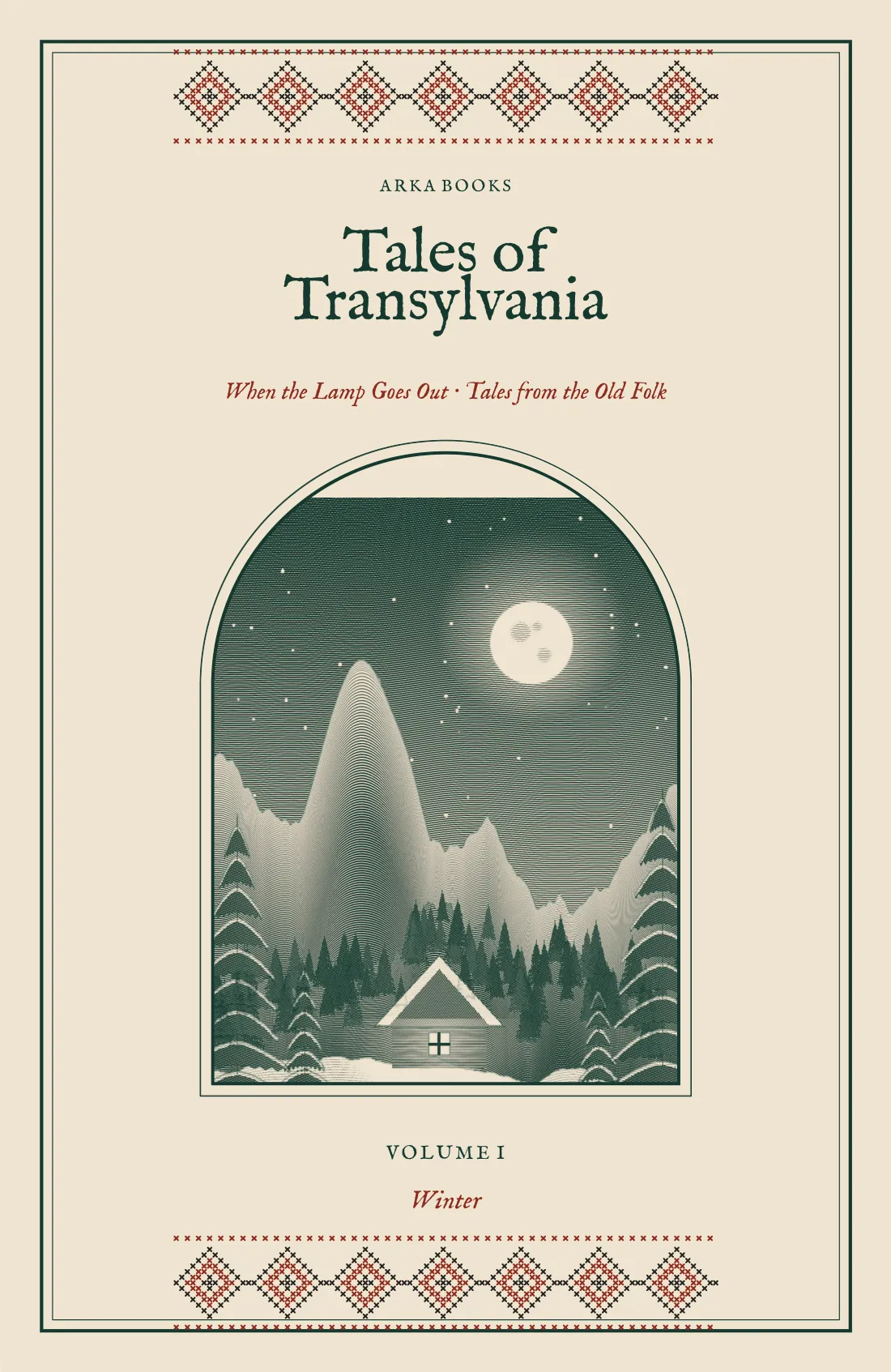
Cover of volume I: WinterCover of volume II: SpringCover of volume III: Summer and Autumn
3volumes: winter, spring, summer and autumn
36tales from the old folk
12nights with their customs, from the village calendar
752pages, with engravings
10women in the family tree of the Straja line

“The tales from the old folk are not told in the light.
In the light, the wrong ears hear them.”

About the series

These are not written tales. They are the ones that were never written down, “because it isn’t allowed”, and passed from mouth to mouth, from one woman to the next, for three hundred years.

In Gura Hotarului, the women of the Straja line have kept the tales from mother to daughter, from Stana down to Floarea. Ana’s mother refused to take them on. Now Floarea is ninety-three, and her granddaughter has come only to sell the house.

Each tale comes on its own night: the strigoi of St. Andrew’s, the carolers of Christmas Eve, the mirror at Epiphany, Sân-Toader’s horses, Baba Dochia, the treasures that burn on Easter night, the Sânziene, the solomonar, the Forefathers. Between the tales, in the interludes, Ana tells what is happening in the village and in her grandmother’s house. And plenty is.

Every volume has the map of the village, the family tree, an engraving for every tale and cross-stitch ornaments after the old patterns of the Romanian peasant blouse, the ie.

The three volumes

A year in Gura Hotarului

Each volume has four parts, following the feast days of the season, with three tales in each part. Read them in order: the story of Ana and her grandmother carries on from one volume to the next.

Cover of volume I: Winter

Volume I · 242 pages

Winter

From St. Andrew’s to Sân-Toader

Ana’s first winter in Gura Hotarului, from the night of the strigoi to Sân-Toader’s horses. Grandma Floarea puts out the lamp and tells, one by one, of the strigoi who came back to his wife, the wolf that spoke and the carolers without shadows. And in the morning, on Ana’s windowsill, someone has counted the poppy seeds.

  • St. Andrew’s Night November 30The Strigoi of Valea Seacă · The Wolf That Spoke · The Moroi in the Well
  • St. Ignatius’s Day and Christmas Eve December 20–24The Carolers Without Shadows · The Night the Cattle Speak · The Mask
  • Epiphany January 5–6The Mirror and the Fated One · The Man Who Stole the Holy Water · The Ice on the Tăuț
  • Sân-Toader FebruarySân-Toader’s Horses · The Girls Who Spun After Sundown · The Horseshoe
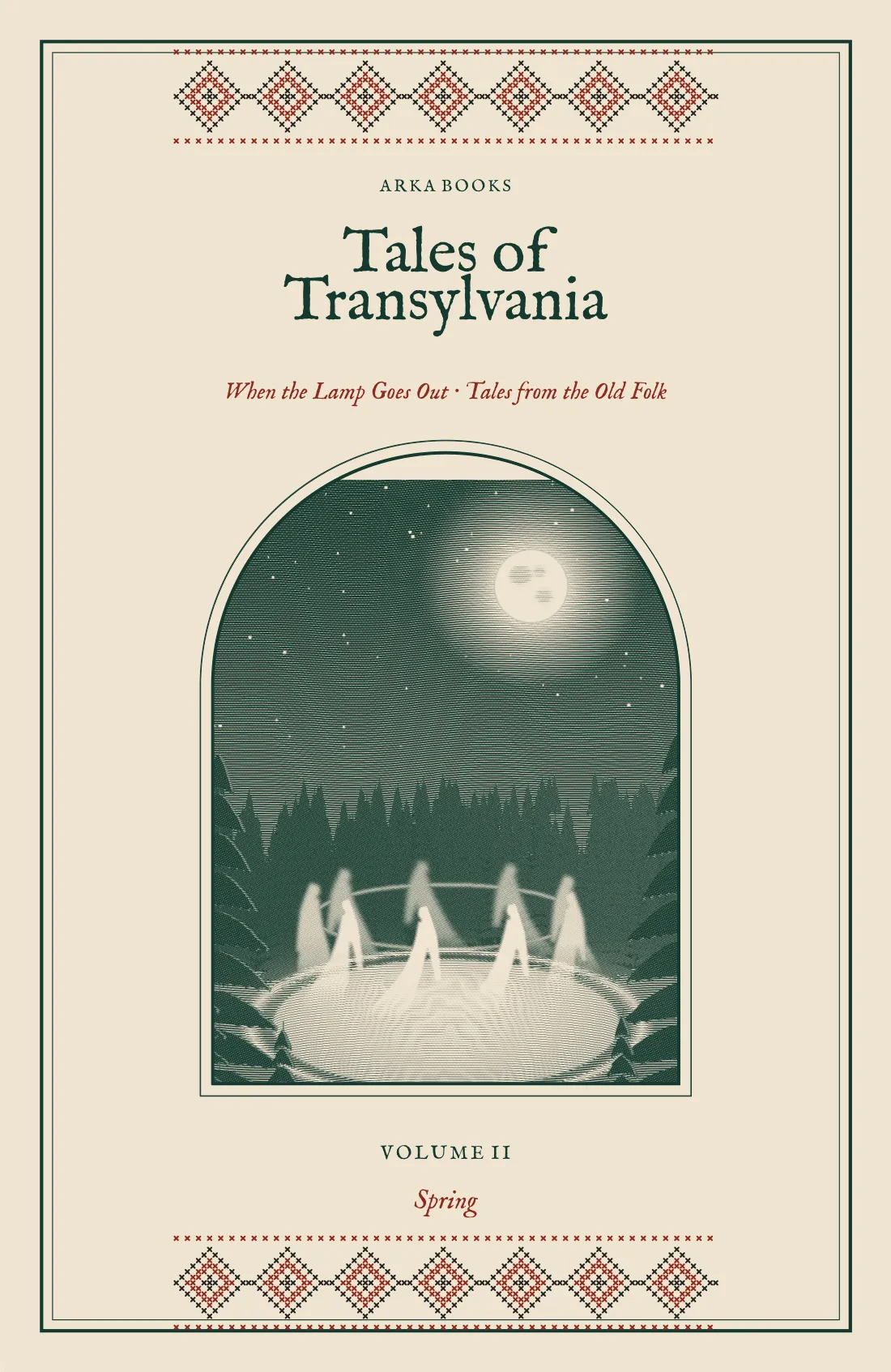
Cover of volume II: Spring

Volume II · 251 pages

Spring

From Baba Dochia to Pentecost

Ana has stayed, the house is not sold, and Grandma Floarea grows weaker with every tale she tells. From Baba Dochia’s nine days to Pentecost: the treasures that burn on Easter night, the strigoaice who steal the cows’ plenty on St. George’s Day, the pricolici of Valea Morii and the Zburător. And at Pentecost, in the clearing where no grass grows, someone calls Ana by her childhood name.

  • Baba Dochia March 1–9The Nine Sheepskins · Mărțolea · The Stones That Were People
  • Maundy Thursday and the Resurrection Holy WeekJoimărița · The Treasures That Burn · The Blajini’s Easter
  • St. George’s Day April 23The Strigoaică and the Cows’ Plenty · The Pricolici of Valea Morii · The Zburător
  • Pentecost PentecostThe Clearing Where No Grass Grows · The Călușar · The Shepherd’s Pipe
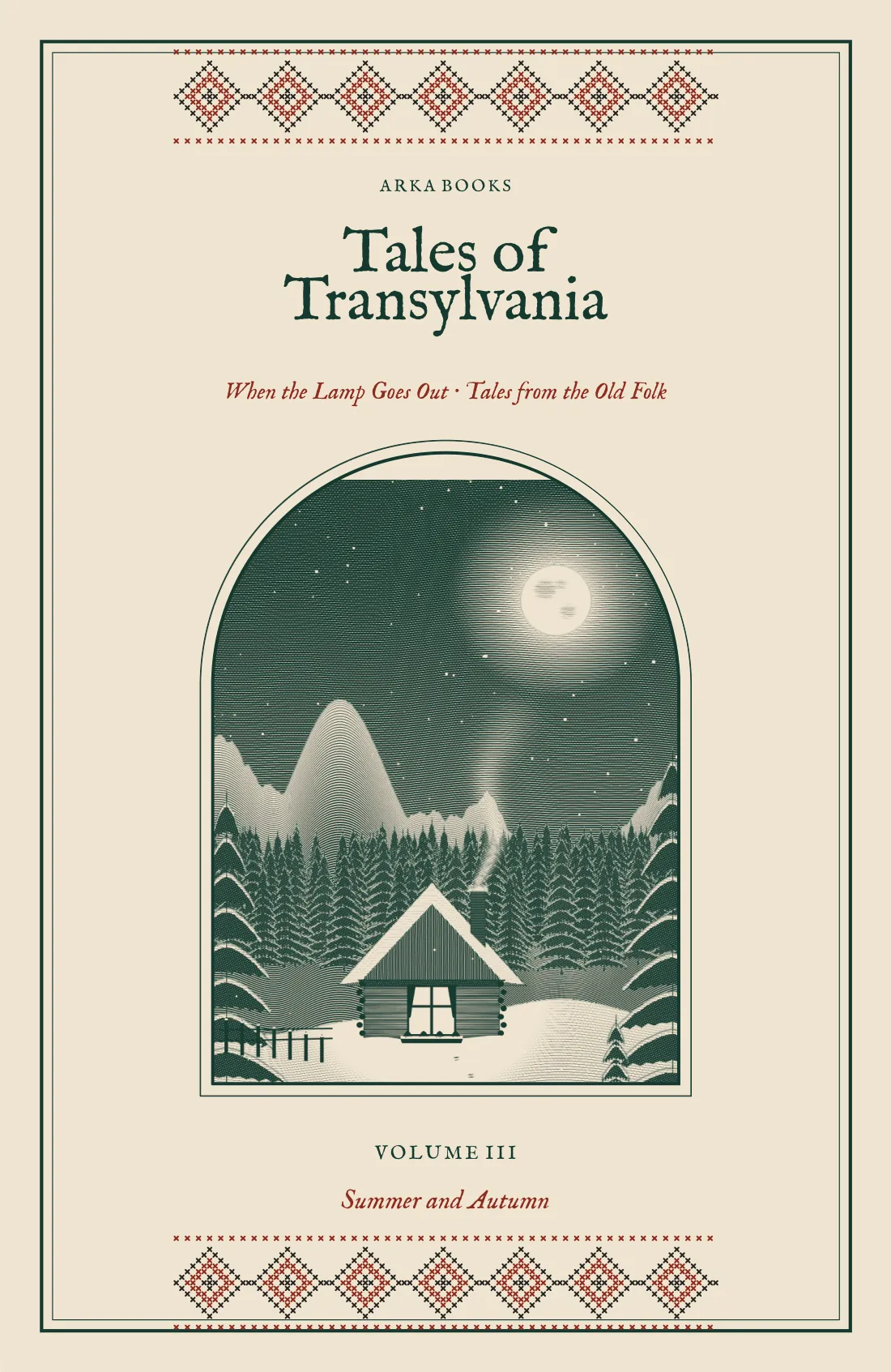
Cover of volume III: Summer and Autumn

Volume III · 259 pages

Summer and Autumn

From the Sânziene to St. Andrew’s

The volume that completes the novel in stories. Grandma Floarea no longer gets out of bed, and Ana puts out the lamp herself: still to be told are the fern flower, the Forest Maiden, the solomonar and the balaur of the lake, the Vâlva of the Mines, the ursitoare and the Forefathers who come to supper. And, last of all, on St. Andrew’s Night, a single tale that Floarea never heard from anyone: her own.

  • The Sânziene June 24The Fern Flower · The Forest Maiden · The Garland Thrown on the Roof
  • St. Elijah’s Day July 20The Solomonar · The Balaur of the Bottomless Lake · The Caloian
  • St. Mary’s Day and Autumn August 15 – SeptemberThe Vâlva of the Mines · Mother of the Forest · The Ursitoare
  • St. Demetrius’s Day and St. Andrew’s Again October 26 – November 30St. Demetrius’s Fire · The Forefathers Who Come to Supper · Floarea’s Story
Cover of volume I: WinterCover of volume II: SpringCover of volume III: Summer and Autumn

The complete set · 3 volumes · PDF

€13.90instead of €17.70 · you save €3.80 · one-off payment · instant delivery by email

The calendar of the tales

Twelve nights with their customs

The tales are not told just any time. Grandma tells each one on its own night, by the calendar of the mountain village: from St. Andrew’s, the night of the strigoi, to St. Andrew’s the following year.

  1. November 30St. Andrew’s NightThe Strigoi of Valea Seacă · The Wolf That Spoke · The Moroi in the WellVolume I · Part I
  2. December 20–24St. Ignatius’s Day and Christmas EveThe Carolers Without Shadows · The Night the Cattle Speak · The MaskVolume I · Part II
  3. January 5–6EpiphanyThe Mirror and the Fated One · The Man Who Stole the Holy Water · The Ice on the TăuțVolume I · Part III
  4. FebruarySân-ToaderSân-Toader’s Horses · The Girls Who Spun After Sundown · The HorseshoeVolume I · Part IV
  5. March 1–9Baba DochiaThe Nine Sheepskins · Mărțolea · The Stones That Were PeopleVolume II · Part V
  6. Holy WeekMaundy Thursday and the ResurrectionJoimărița · The Treasures That Burn · The Blajini’s EasterVolume II · Part VI
  7. April 23St. George’s DayThe Strigoaică and the Cows’ Plenty · The Pricolici of Valea Morii · The ZburătorVolume II · Part VII
  8. PentecostPentecostThe Clearing Where No Grass Grows · The Călușar · The Shepherd’s PipeVolume II · Part VIII
  9. June 24The SânzieneThe Fern Flower · The Forest Maiden · The Garland Thrown on the RoofVolume III · Part IX
  10. July 20St. Elijah’s DayThe Solomonar · The Balaur of the Bottomless Lake · The CaloianVolume III · Part X
  11. August 15 – SeptemberSt. Mary’s Day and AutumnThe Vâlva of the Mines · Mother of the Forest · The UrsitoareVolume III · Part XI
  12. October 26 – November 30St. Demetrius’s Day and St. Andrew’s AgainSt. Demetrius’s Fire · The Forefathers Who Come to Supper · Floarea’s StoryVolume III · Part XII

The map

Gura Hotarului and its surroundings, as the old folk know them

A village in a bowl of mountains, its houses climbing the slopes “like sheep that scattered to graze”. Above it stands Piatra Mută, the Mute Stone, which gives back no echo. Higher up are Baia Veche, the gold mine from the emperor’s time, and the Bottomless Lake. On Valea Seacă there was once Toader’s mill. At Pentecost, nobody goes into the clearing where no grass grows.

Floarea’s house is the last one, where the road turns into a path and the path goes into the firs. The map is at the start of every volume.

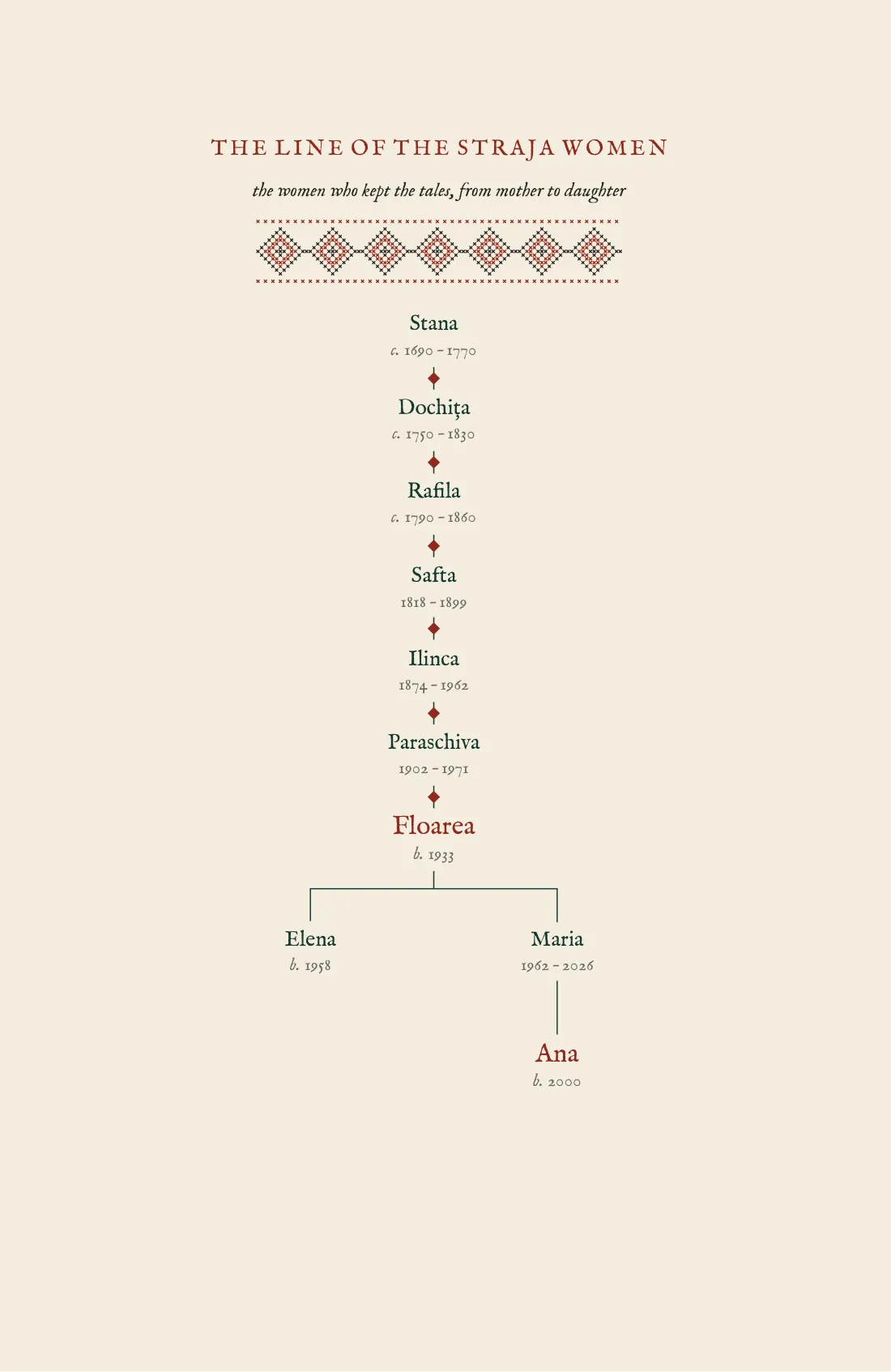
The Line of the Straja Women

The women who kept the tales, from mother to daughter

Every tale has its teller: “my grandmother Ilinca told me this one”, “this one I lived myself”. That is how you learn, one by one, who the women of Ana’s family were and what they kept, from Stana, around 1700, down to Floarea.

  1. Stanac. 1690 – 1770
  2. Dochițac. 1750 – 1830
  3. Rafilac. 1790 – 1860
  4. Safta1818 – 1899
  5. Ilinca1874 – 1962
  6. Paraschiva1902 – 1971
  7. Floareab. 1933
  8. Elenab. 1958
  9. Maria1962 – 2026
  10. Anab. 2000
The family tree of the Straja women: Stana, Dochița, Rafila, Safta, Ilinca, Paraschiva, Floarea, Elena and Maria, Ana

The engravings

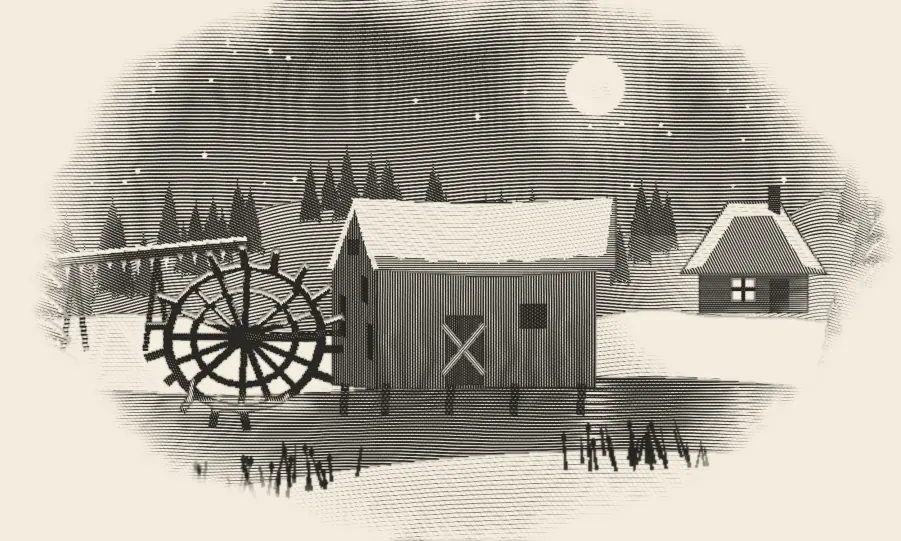
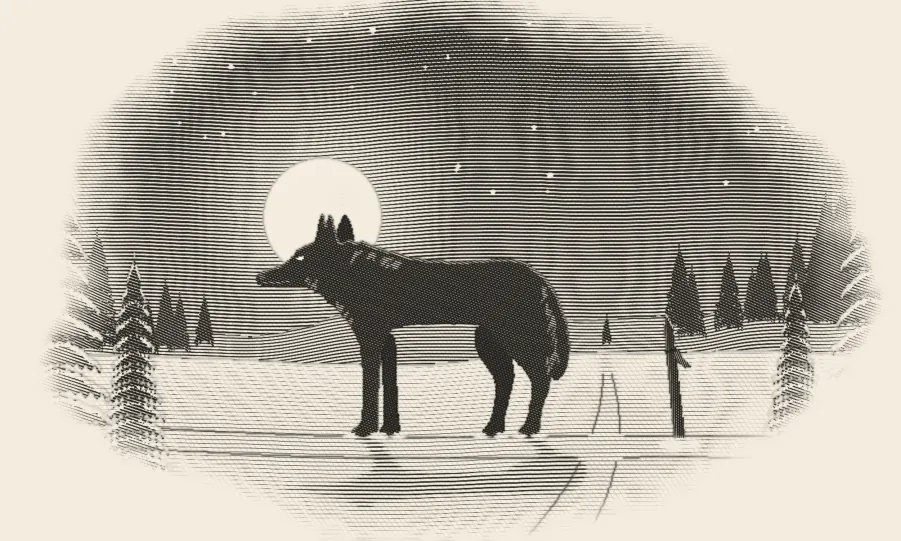
Every tale opens with an engraving

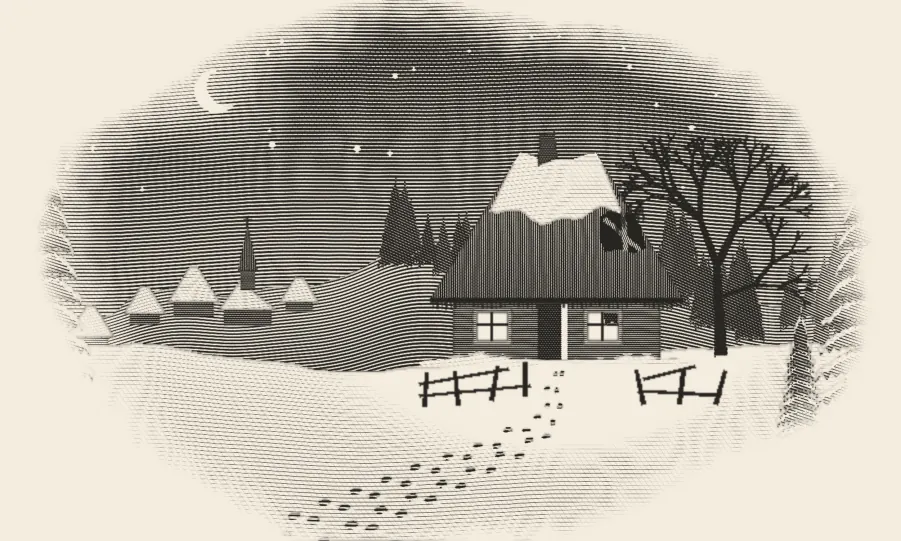
Engraving: The mill on Valea Seacă
The mill on Valea Seacă
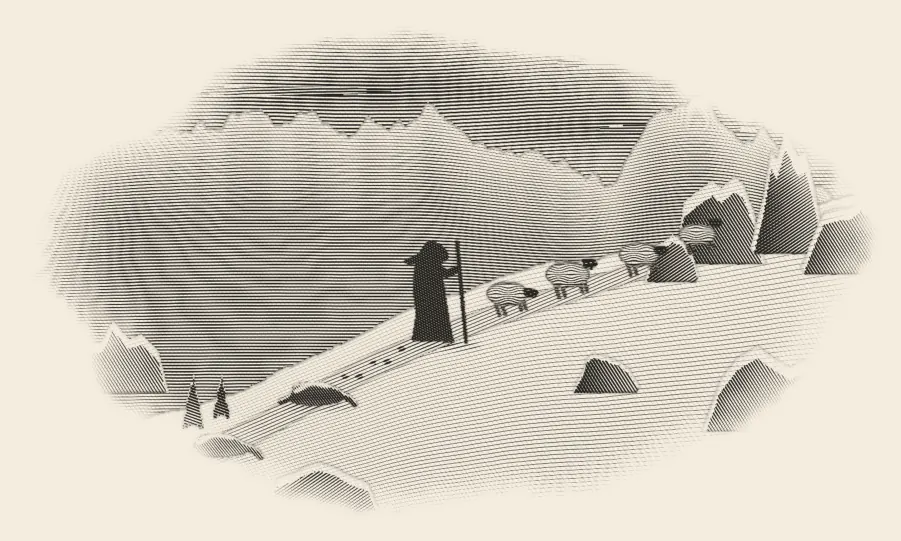
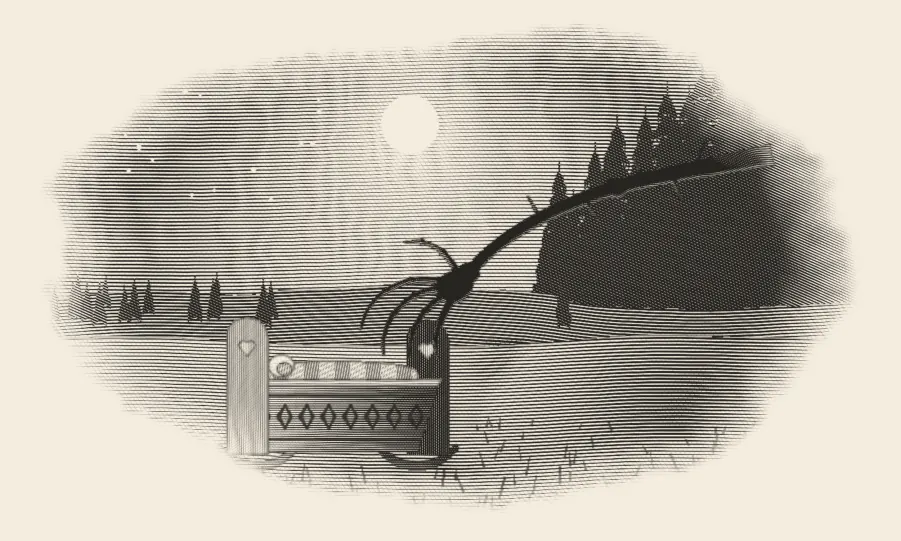
Engraving: The Wolf That Spoke
The Wolf That Spoke
Engraving: The Carolers Without Shadows
The Carolers Without Shadows
Engraving: The Nine Sheepskins
The Nine Sheepskins
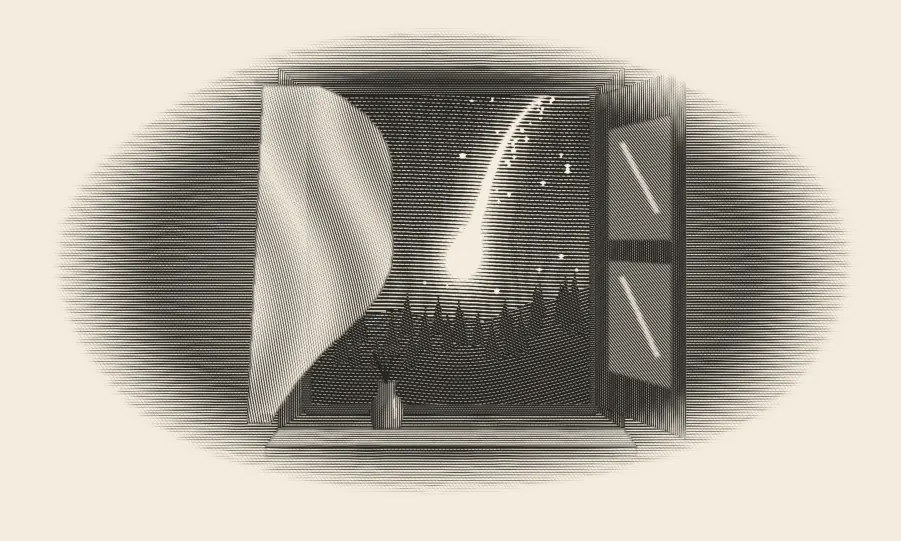
Engraving: The Zburător
The Zburător
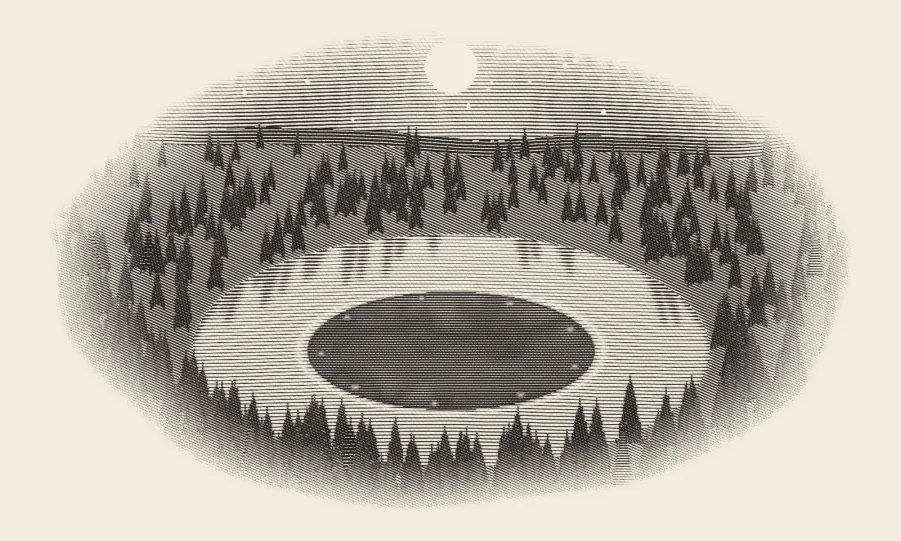
Engraving: The Clearing Where No Grass Grows
The Clearing Where No Grass Grows
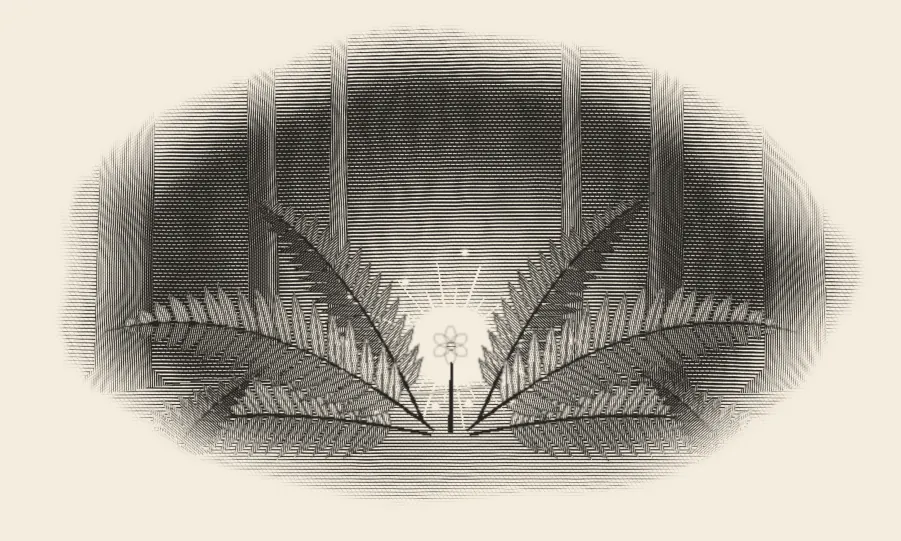
Engraving: The Fern Flower
The Fern Flower
Engraving: Mother of the Forest
Mother of the Forest

Who it is for

Tales for the evening, with the lamp out

For adults and teenagers (14 and up), not bedtime stories for young children. These are horror tales from folklore, told with restraint: strigoi and moroi, the dead who come back, grief and fear, now and then the death of a person or an animal, told without detail. There are no explicit scenes; the dread comes from the silence, from the old customs and from what is left unsaid.

For anyone who grew up on folk tales and wants the ones that were never written down. For anyone with grandparents in the country, or who wishes they had. For long evenings, read aloud, among grown-ups.

Take care

Don’t read them to young children at bedtime. They have death, grief and fear in them, as the old tales always have. For teenagers, they are a good way into the beliefs and feast days of the Romanian village.

What you get

Two files for every volume

The full editionA PDF with the engravings, the map and the ornaments at print quality (about 30–32 MB). For tablet, computer or printer.
The phone versionThe same text with lighter engravings (about 5 MB). Quick to download and always with you.
With your dedicationEvery volume opens with a dedication page: the name of the person receiving it, your message and your signature, in handwriting.

Questions

A few things to know

What kind of books are they?

A novel in stories, in three volumes. Ana, a young designer from Cluj, comes up to the mountain village of Gura Hotarului to sell her grandmother’s house. On every night that has its custom, her grandmother Floarea, ninety-three years old, tells her a tale from the old folk, with the lamp out. The tales follow the village calendar, from St. Andrew’s Day to St. Andrew’s Day, and between them runs the story of Ana and the women of her family.

What age are they for?

For adults and teenagers (14 and up), not bedtime stories for young children. These are horror tales from folklore, told with restraint: strigoi and moroi, the dead who come back, grief and fear, now and then the death of a person or an animal, told without detail. There are no explicit scenes; the dread comes from the silence, from the old customs and from what is left unsaid.

Are the tales true?

The characters, the village of Gura Hotarului and the events are fiction. The beliefs, feast days and customs (the strigoi of St. Andrew’s Night, garlic at the windows, the carols, Epiphany, Baba Dochia, the Sânziene, the Forefathers) are those of the Romanian mountain village, as they have been handed down by word of mouth.

Should I read them in order?

Yes, ideally. Each tale can be read on its own, but the interludes carry the story of Ana and her grandmother from one volume to the next, and the last volume ties them all together.

What format do I get?

A PDF in English, with the engravings, the map and the ornaments of the edition. For each volume you get two files: the full edition (about 30–32 MB, for tablet, computer or printing) and a lighter version for phones (about 5 MB). The links arrive by email right after payment and stay in My library.

How much do they cost?

€5.90 a volume. The complete set, with all three volumes, costs €13.90: you save €3.80.

Can I give them as a gift, with a dedication?

Yes. When you buy, you write the name of the person receiving the books, a message and your signature: they appear handwritten on the dedication page at the start of each volume. Tick ‘It is a gift’, add their email and, if you like, a day: the books are sent by themselves that morning.

Is it a translation?

Yes: the complete English translation of the Romanian original, with the same engravings, map and ornaments. The names of people and places keep their Romanian spelling, and the map of the village is the original one. The series is also available in Romanian and Spanish.

How do I pay? Can I get an invoice?

By card, through Stripe (your card details never reach us). Prices are shown in euros, US dollars or Romanian lei. For a company invoice, email books@arkabooks.org after your order.
“Being afraid is good. Only being afraid and running away aren’t the same thing.”

Grandma Floarea · Tales of Transylvania